Tawas Lake Volunteers Collected Eurasian Watermilfoil Specimens for DNA Testing
Invasive species can dramatically alter the balance of local ecosystems, and the Eurasian Watermilfoil is a prime example. This aquatic plant has spread across many lakes in North America, often choking waterways and disrupting native habitats. At Tawas Lake, volunteer members of the Tawas Lake Association have taken an active role in addressing this challenge. They collected samples of Eurasian Watermilfoil as part of a nationwide survey to identify the DNA of the specific variety present in our lake. This testing aims to reveal how receptive the plant is to species-specific herbicides, which could help manage its growth more effectively.
Understanding the nature of this invasive plant and how it interacts with the lake’s ecosystem is crucial for protecting Tawas Lake’s navigability and biodiversity. This post explores the process of sample collection, the importance of DNA testing, and what the results might mean for the future of the lake.
What Is Eurasian Watermilfoil and Why Is It a Problem?
Eurasian Watermilfoil (Myriophyllum spicatum) is a submerged aquatic plant native to Europe, Asia, and northern Africa. It was introduced to North America in the 1940s and has since spread rapidly. The plant grows in dense mats just below the water surface, which can:
Block sunlight from reaching native plants
Reduce oxygen levels in the water
Interfere with recreational activities like swimming and boating
Alter fish habitats and food sources
At Tawas Lake, these dense mats have become a concern for residents and environmentalists alike. The invasive milfoil competes with native aquatic plants, threatening the lake’s ecological balance. Controlling its spread is essential to maintaining a healthy ecosystem.
How Volunteers Collected Samples for DNA Testing
The Tawas Lake Association organized a volunteer effort to collect Eurasian Watermilfoil samples from various parts of the lake. Volunteers received training on how to identify the plant and safely gather specimens without spreading fragments that could cause further infestation.
The collection process involved:
Using boats to access different lake areas
Carefully cutting small sections of the plant
Placing samples in labeled containers with water from the collection site
Transporting samples to a laboratory for DNA analysis
This hands-on approach allowed the community to participate directly in protecting their lake. It also ensured that the samples represented a wide range of locations, providing a comprehensive picture of the invasive species present.

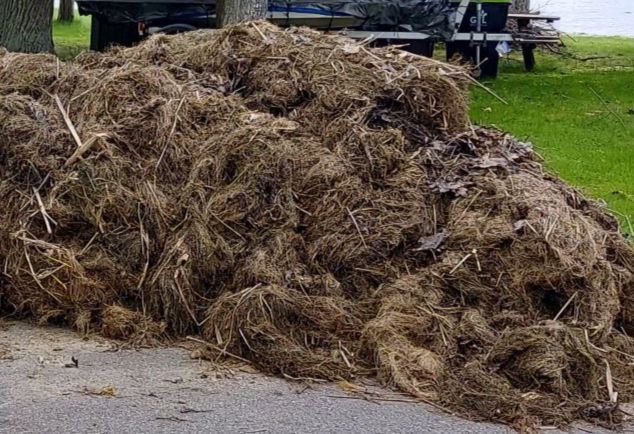
Volunteers collecting Eurasian Watermilfoil samples at Tawas Lake to support DNA testing efforts
The Role of DNA Testing in Managing Invasive Plants
DNA testing helps scientists identify the exact strain or variety of Eurasian Watermilfoil in Volunteers collecting Eurasian Watermilfoil samples at Tawas Lake to support DNA testing efforts Tawas Lake. This information is critical because different strains may respond differently to control methods, especially herbicides designed to target specific species.
Key benefits of DNA testing include:
Confirming the species and strain of milfoil present
Understanding genetic variations that affect herbicide sensitivity
Informing targeted treatment plans that minimize harm to native plants
Tracking the spread and evolution of the invasive population over time
By knowing the genetic makeup of the milfoil, lake managers can choose herbicides that are more likely to be effective, reducing the need for broad-spectrum chemicals that might damage the ecosystem.
How Species-Specific Herbicides Work
Species-specific herbicides are designed to target certain plants without affecting others. Unlike general herbicides, which can harm a wide range of vegetation, these chemicals focus on the unique biological traits of the invasive species.
For Eurasian Milfoil, herbicides may:
Inhibit growth by disrupting photosynthesis
Prevent reproduction by targeting reproductive structures
Cause the plant to break down without releasing harmful toxins into the water
Using species-specific herbicides can help control milfoil populations while preserving native aquatic plants that support fish and wildlife.
Challenges in Controlling Eurasian Watermilfoil
Despite advances in herbicide technology, managing Eurasian Milfoil remains difficult. Some challenges include:
The plant’s ability to regrow from small fragments, making physical removal risky
Potential resistance to herbicides in some milfoil strains
The need to balance treatment with protecting native species and water quality
Seasonal timing for treatments to maximize effectiveness and minimize environmental impact
The DNA testing conducted by the Tawas Lake Association volunteers will help address some of these challenges by identifying the best treatment options for the specific milfoil strain in the lake.
What This Means for Tawas Lake’s Future
The ongoing research and testing efforts provide hope for better management of Eurasian Watermilfoil at Tawas Lake. With precise information about the plant’s DNA, we can:
Develop targeted herbicide treatments that reduce milfoil without harming native plants
Monitor the effectiveness of treatments and adjust strategies as needed
Educate the community about preventing the spread of invasive species
Protect recreational activities and preserve the lake’s natural beauty
Community involvement, like the volunteer sample collection, plays a vital role in these efforts. It strengthens local stewardship and ensures that solutions are based on accurate, up-to-date data.
How You Can Help Protect Tawas Lake
Everyone who enjoys Tawas Lake can contribute to controlling invasive species. Here are some practical steps:
Clean boats and equipment before entering or leaving the lake to avoid transporting plant fragments
Report sightings of dense milfoil growth to local authorities or the Tawas Lake Association
Participate in volunteer events for monitoring and removal
Support research and management programs through donations or advocacy
Protecting the lake requires ongoing effort and cooperation from the entire community.


Comments